
The history of Thanksgiving is complicated and many simply avoid what they perceive as the more difficult parts of the story in favor of a focus on pumpkins and turkeys. While these have become symbols of the holiday, Following Children’s Interests, one of the Four Intentions, asks us to reflect carefully on a topic first, engaging in pre-planning, doing some research, and making decisions about your approach. Debbie LeeKeenan, a leader in anti-bias education, emphasizes that it is important to provide children with accurate history. Meir Muller, another anti-bias leader, advocates that teachers engage in reflection questions themselves before making crafts or retelling stories that may be inaccurate or depict stereotypes. Here are some questions to get you started.
Reflection Questions
- How does your school decide how to approach each holiday, including whether to acknowledge, explore, celebrate, or not address it?
- How might the understandings and assumptions you bring from your own childhood experiences shape the way you approach holidays with children?
- When your school presents a holiday, how do you examine the stories and messages children encounter?
- How do you learn about the ways children and families in your community experience a holiday?
- Think about a holiday activity, decoration, art activity, book, or song that is part of your current practice. What purpose does it serve? How does it connect to the approach you have chosen for the holiday?
Complementary Curriculum advocates for a Big Idea focus. Big ideas are questions or statements that frame a topic in inquiry-based language that supports expansive planning and learning. See how these might land with you and how framing the holiday in these concepts is different from making hand turkeys and leads to greater learning and understanding.
Big Ideas Related to Thanksgiving
- People from different places encounter one another.
- People express gratitude in different ways.
- Traditions connect people to food, seasons, and the land.
- People gather on holidays and celebrate in different ways.
The Big Ideas help you uncover new pathways with children.
| Possible Direction | Ideas Children Might Explore Based on the work of Meir Muller |
|---|---|
| Family traditions | How families spend time together, what traditions they create, and how families’ experiences may be similar or different |
| Thanks and giving | What we are thankful for, how people express gratitude, what it means to give, and how giving and gratitude are connected |
| Harvest and food | Where food comes from, seasonal changes, foods that are important to different communities, and how food connects people to land and place |
| Encounters between peoples | What happens when people with different experiences, knowledge, or ways of living meet; how people can cooperate, learn from one another, and experience conflict |
| Native American people, past and present | The people and communities connected to the history of Thanksgiving and the ways Native American communities continue to live, create, and contribute today |
| Change over time | How traditions change, why they change, and how people and communities shape the traditions they practice |
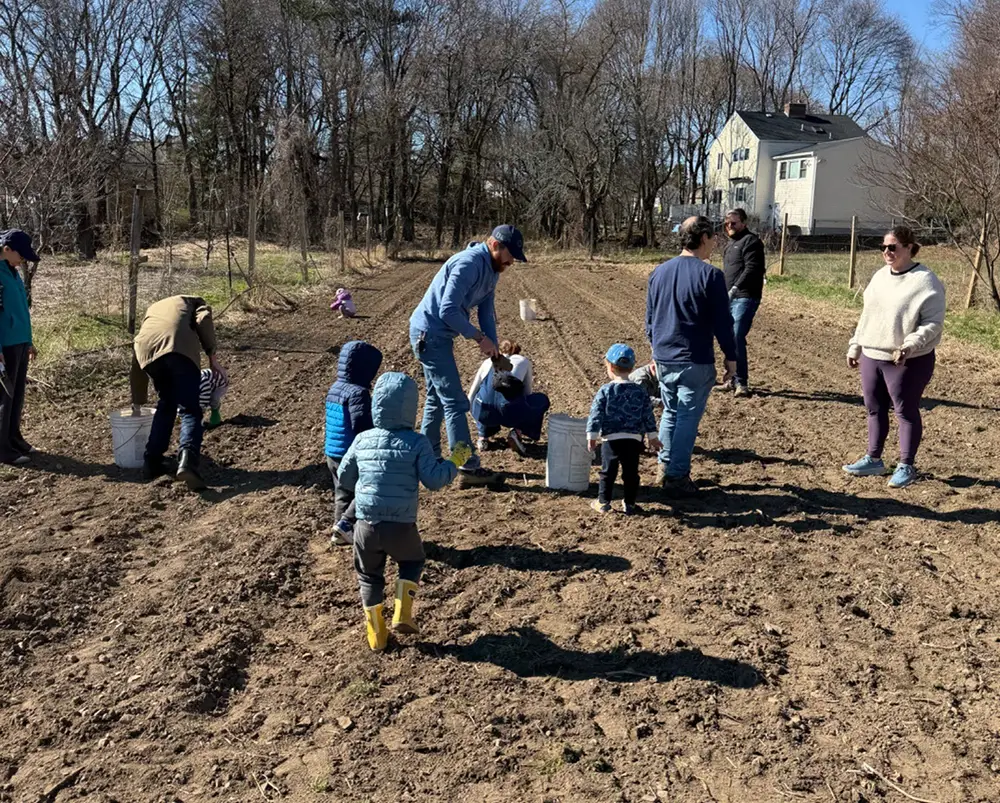
Asking children and families how they spend Thanksgiving gives you important information about where to take your planning. Listening to children’s ideas and considering possible directions for exploration helps children understand experiences in multiple ways. Photographs that show Native American people and communities living today help children compare more traditional images and dispel stereotypes.
Lisa thinks a lot about what we tell children about why there is no school for a few days. For very young children we can share that a long time ago, people encountered each other. Some people were new to the land and others had lived there for a long time. Sometimes they were able to help each other and other times there was conflict. Children understand these themes. Older children can understand that the newcomers wanted to take over the land and that Native peoples lost their land and lives. It is a painful story and you will have to tell it in a way that both honors the truth and the developmental stage of your children.
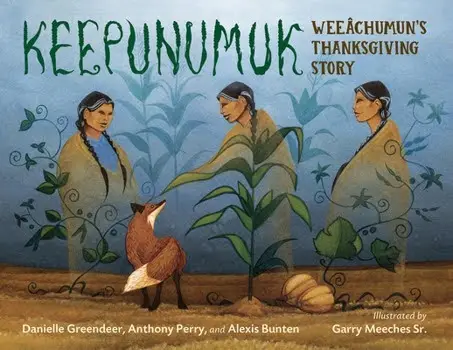
Using a high quality children’s book is a great entry point to addressing a holiday. In Iris’ school, educators have made “Keepunumuk: Weeâchumun’s Thanksgiving Story” a centerpiece in how we understand, explore and discuss Thanksgiving in our classrooms. Because Iris’ schools are in Massachusetts this book teaches about the people who lived on this land. It calls to the forefront the responsibility we all have to educate children about the Wampanoag tribe who already lived on the land where the pilgrims settled, and honors their contribution to help the pilgrims survive.
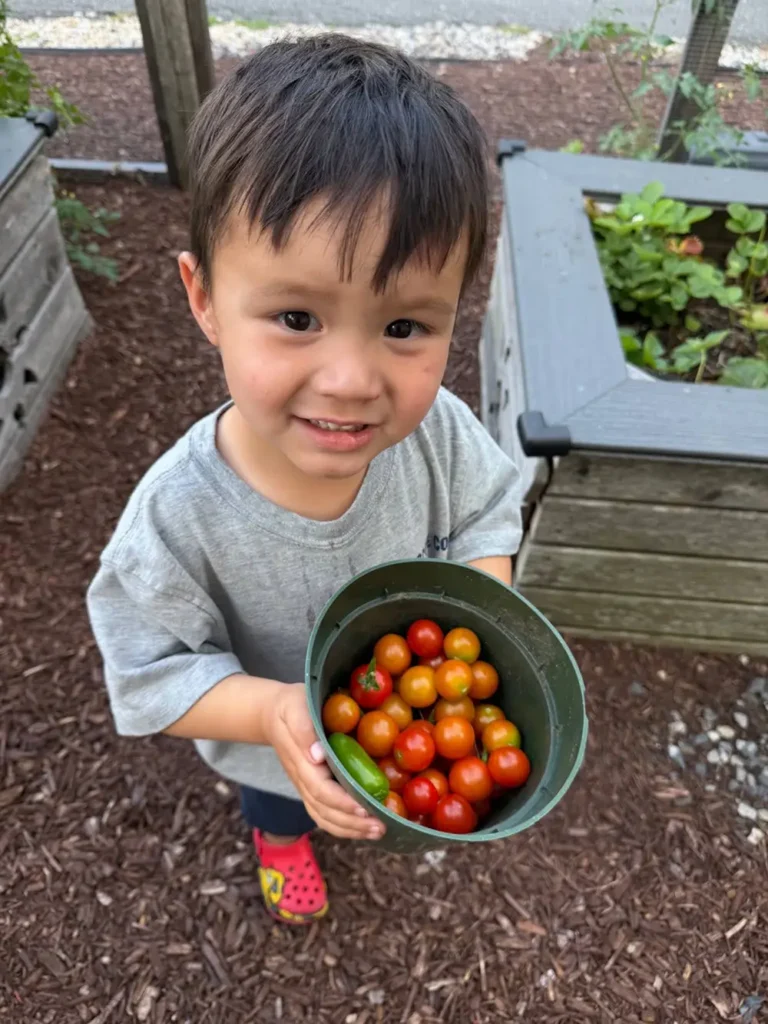
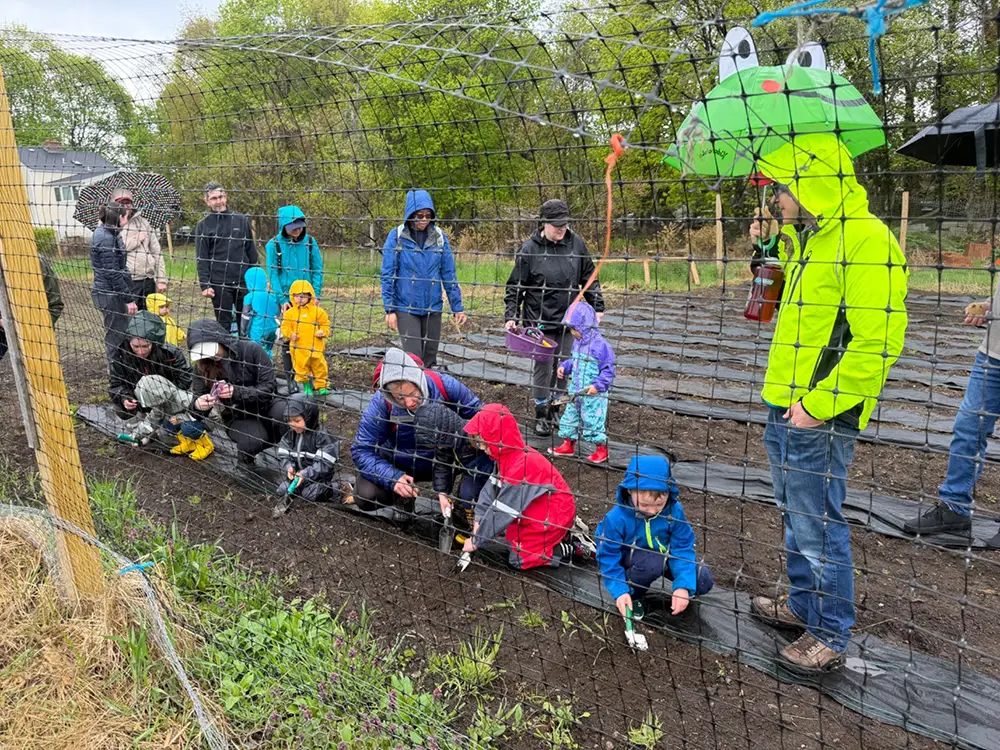
This book is a developmentally appropriate and thoughtful piece of writing that includes the story of the Three Sisters, which are the three main agricultural crops of various indigenous people of Central America and North America: squash, corn, and climbing beans. The cornstalk serves as a trellis for climbing beans, the beans give nitrogen in their roots to support other plants and stabilize the corn in high winds, and the wide leaves of the squash plant give shade on the ground keeping the soil moist. Children will have opportunities to also think about the gifts the earth has to offer as well as the people in our lives that share so much with us. Because Iris’ children have opportunities to experience working the land she can make some connections to Thanksgiving and children’s time planting and harvesting. It will look different in your school.
Think about how you can retell the Thanksgiving story for a more inclusive America, and a story that honors the Native peoples who made it possible. We encourage you to research the land you celebrate on and, perhaps, even acknowledge it at your table.
We wish you and your family a healthy and happy holiday.
 Discover practical strategies to foster joyful engagement, access high-quality learning on your schedule, and elevate your teaching practice.